



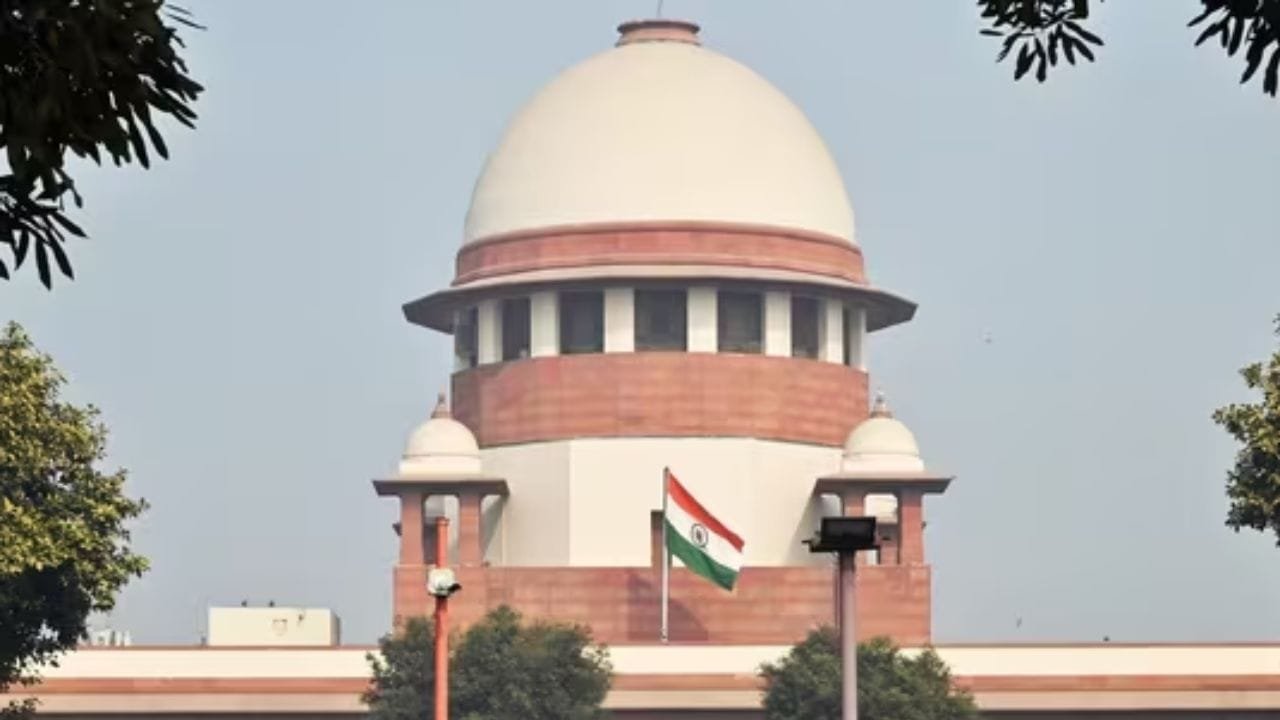
NEW DELHI: The Supreme Court on Monday sought responses from the Centre, the Election Commission and the Law Commission on a public interest litigation (PIL) seeking comprehensive reforms to the anti-defection law.
A bench comprising Chief Justice Surya Kant and Justices Joymalya Bagchi and V Mohana issued notices to the ministries of law and justice and parliamentary affairs on a petition filed by A Sethu.
The petition seeks to prevent elected representatives from misusing what it describes as “strategic resignations” to evade disqualification proceedings and destabilise elected governments.
The development comes after several MPs from the Aam Aadmi Party (AAP), Shiv Sena (UBT) and Trinamool Congress (TMC) reportedly switched sides ahead of the Monsoon Session of Parliament. In July, Kapil Sibal had also approached the court seeking a fresh interpretation of the Tenth Schedule.
Sethu has sought time-bound and transparent decisions on resignations and disqualification proceedings, along with a review of the existing Speaker-centric adjudication mechanism.
The petition also argues that in a hung assembly, a majority should be tested only on the floor of the House after members have taken oath under Article 188.
It further seeks a provision ensuring that a resignation submitted while disqualification proceedings are pending does not automatically bring those proceedings to an end. It says the Speaker or Chairman should pass reasoned orders, based on objective facts, to determine whether a resignation is voluntary and genuine.
The Tenth Schedule, introduced through the 52nd Constitutional Amendment in 1985, provides for disqualification of legislators for voluntarily leaving their political party or voting against the party whip.
The 91st Constitutional Amendment in 2004 made the support of at least two-thirds of legislators mandatory for a merger to qualify under the anti-defection provisions.
In its 2023 judgment in the Shiv Sena case, the Supreme Court clarified that a formal merger of the original political party was necessary to claim protection from disqualification.