





























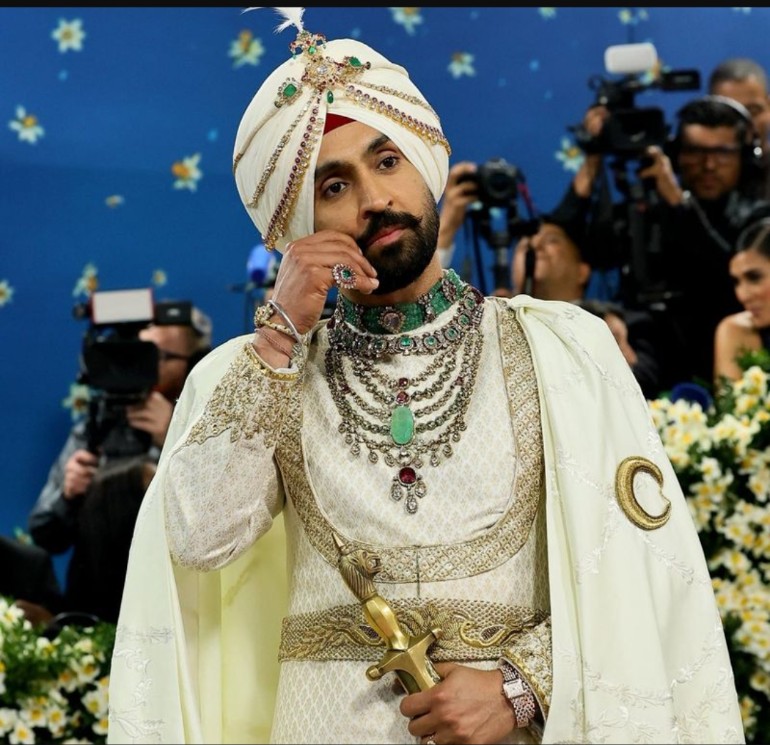
Mumbai: Punjab’s pride, Diljit Dosanjh, is more than a name today—he is a symbol of Punjabi spirit who has made the world dance to Punjabi beats.
Humble beginnings
Born on January 6, 1984, in the small village of Dosanjh Kalan in Jalandhar, Diljit grew up in a simple household. His father, Balbir Singh, worked with Punjab Roadways, instilling discipline in him from a young age. Diljit completed his early education in his village and later passed his tenth grade from Alpine Public School, Ludhiana. A shy boy during school days, he captivated his community with his voice while performing kirtan at local gurdwaras—a passion that marked his first step into the world of music.
His career breakthrough came in 2004 with his debut album Ishq Da Uda Ada, though true commercial success arrived in 2011 with the hits Luck 28 Kudi Da and the album Smile.
From singing to acting
Diljit’s transition from singing to acting redefined Punjabi cinema. Films like Jatt & Juliet brought unprecedented recognition, while his performance as a serious police officer in the Bollywood film Udta Punjab won critical acclaim. Today, he is the first turbaned Sikh artist to perform at the renowned Coachella festival, announcing to the world: “Punjabis aa gaye oyee!”
A symbol of style and humility
Despite his affinity for luxury brands like Gucci and Balenciaga, Diljit remains deeply connected to Waheguru and his roots. He is also the first Punjabi to have a wax statue at Madame Tussauds. His journey from a small village to global stages exemplifies courage, humility, and the pursuit of big dreams.
Inspiration for the youth
Through films like Amar Singh Chamkila and his musical achievements, Diljit has shown that success comes to those who dare to dream big. His story continues to inspire young people from small towns to aim for the world stage.