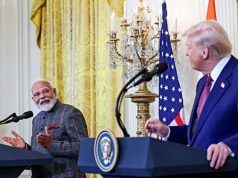








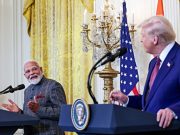








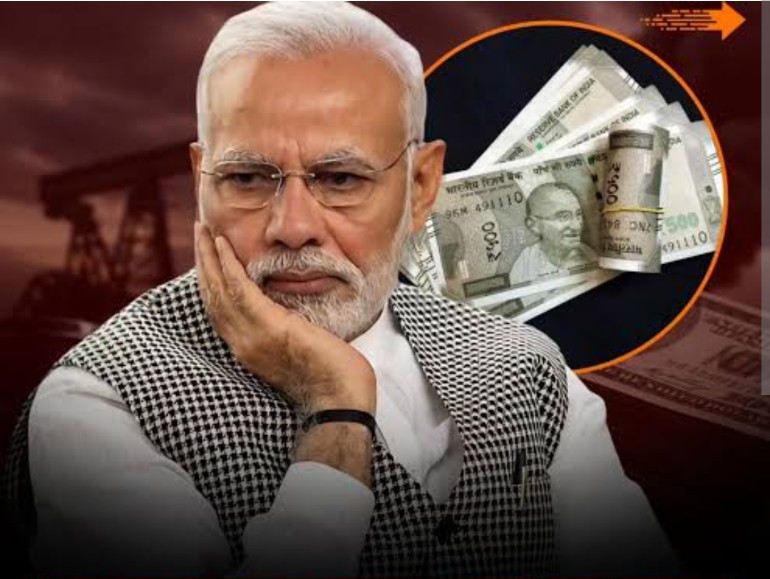





















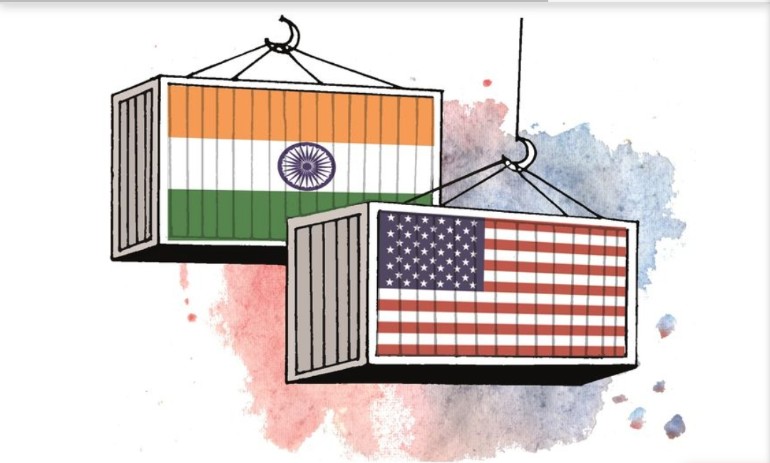
New Delhi: Prime Minister Narendra Modi on Saturday described the India-US interim trade framework as a “big win” for the Make in India initiative, saying it would create millions of jobs for youth and women across the country.
Reacting to the announcement, US President Donald Trump said in a social media post that India would reduce or stop purchases of Russian oil and instead buy energy from the United States, calling it a positive development for the American economy.
Union Commerce and Industry Minister Piyush Goyal said India had protected the interests of its farmers while expanding trade ties, stressing that key crops such as wheat and rice have been kept outside the scope of the agreement.
What the interim deal means
The India-US trade framework is an interim or temporary arrangement aimed at ending the tariff dispute and trade tensions between the two countries that have persisted since last year. Under the framework, the US has agreed to cut duties on Indian goods from as high as 50% to 18%, while India has committed to opening its market to a wider range of American industrial and agricultural products.
The deal is being seen as a stepping stone towards a broader Bilateral Trade Agreement (BTA) between the two countries.
Key commitments
India has pledged to purchase around $500 billion worth of US energy products, aircraft and technology over the next five years. It will also ease restrictions on American medical devices and IT products and reduce dependence on Russian oil.
The United States will withdraw the additional 25% penalty imposed on Indian goods over Russian oil purchases and stabilise overall duties at 18%. India is also expected to receive concessions on aircraft parts and auto components.
Gains and concerns
The agreement is expected to provide significant relief to Indian exporters, particularly in textiles, leather and IT, as lower tariffs will make Indian goods more competitive in the US market. India will also gain greater access to advanced US technologies, including graphics processing units (GPUs), and alternative energy supplies.
However, concerns remain that reduced access to cheaper Russian oil could raise India’s import bill. Farmer groups have also expressed apprehension that cheaper US agricultural imports—such as almonds, walnuts and soybean oil—could intensify competition in domestic markets, despite government assurances of safeguards for staple crops.
Officials said the interim framework balances economic relief with strategic trade-offs and sets the stage for deeper India-US economic engagement in the coming years.