
















Over 30 lakh Sehat Cards enrolled; Punjab targets universal health coverage for 65 lakh families: Dr Balbir Singh
Chandigarh News (March 31): In a landmark step towards universal healthcare, the Punjab Government has become the first in India to offer ₹10 lakh annual cashless health coverage to every household under the Mukh Mantri Sehat Yojna, doubling the ₹5 lakh cover provided under the PM-JAY scheme and expanding eligibility to all residents.
In a major milestone, the state has already completed over 30 lakh Sehat Card enrolments, extending assured coverage to nearly half of Punjab’s population. The scale of enrolment reflects strong adoption across both urban and rural regions, with families actively registering to access benefits.
Reinforcing this commitment, the Bhagwant Mann Government has allocated ₹2,000 crore to the scheme in the Punjab Budget 2026–27, positioning healthcare as a central pillar of its governance model.
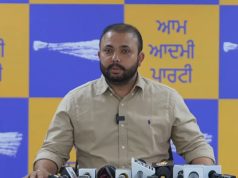
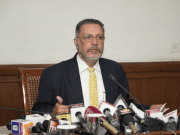
Highlighting this transformation under the leadership by CM Bhagwant Singh Mann, Health Minister Dr Balbir Singh said, “With over 30 lakhs Sehat Cards already enrolled, Punjab is setting a new benchmark in public healthcare by ensuring to be the first state in India that is providing universal, cashless treatment of up to ₹10 lakh for every family. This is not only easing any financial barriers but also guaranteeing dignity, access, and timely care for every resident.”
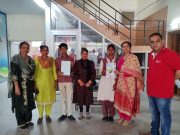
This rapid expansion has been driven by extensive on-ground mobilisation through Sehat camps across villages, mandis, schools, colleges, hospitals, factories, and community spaces. Continuous enrolment at Seva Kendras and Common Service Centres, supported by door-to-door outreach, has ensured accessibility across income groups and geographies.
As coverage expands, utilisation trends underline the scheme’s real-world impact. Frequently availed treatments include dialysis, cardiac procedures such as angioplasty, orthopaedic surgeries like knee replacements, cancer care, and emergency interventions including accident and animal bite cases.
The scheme’s reach spans generations and critical conditions. In Sri Muktsar Sahib, a 1-year-old child received timely pneumonia treatment, while in Moga, a 98-year-old woman accessed chemotherapy-related care. In another case, Sukhwinder Kaur from Manikpur underwent urgent stent placement for a serious heart condition, with costs estimated at ₹3–4 lakh, all covered under the scheme.
In each instance, treatment began without delay, demonstrating how the Sehat Card is enabling immediate, cashless care across age groups and medical needs.
With over 900 empanelled government and private hospitals and more than 2,300 treatment packages, beneficiaries are increasingly accessing quality healthcare closer to home. So far, nearly 2 lakh treatments worth over ₹300 crore have been delivered under the scheme, including over 43,000 surgical procedures.
As enrolment continues to expand towards the target of 65 lakh families, the Mukh Mantri Sehat Yojna is emerging as a cornerstone of Punjab’s healthcare framework, setting a national benchmark in both scale and scope of public health coverage.