





























Chandigarh: The Union government has ordered an inquiry into an alleged large-scale bogus paddy procurement scam in Punjab during the 2025–26 marketing season, with the suspected amount ranging between ₹6,000 crore and ₹10,000 crore.
According to official sources, the action followed complaints sent by commission agents (arhtiyas) from Sangrur to the Centre. Acting on these complaints, the Union Ministry of Finance and the Department of Food and Public Distribution have directed the Punjab Chief Secretary to conduct a detailed probe into the matter.
In compliance with the Centre’s directions, Punjab’s Department of Food, Civil Supplies and Consumer Affairs has asked all district food and supply controllers to convene meetings of their respective district allotment committees and submit investigation reports by February 13. Officials said that meetings have already been scheduled across districts.
Why suspicions were raised
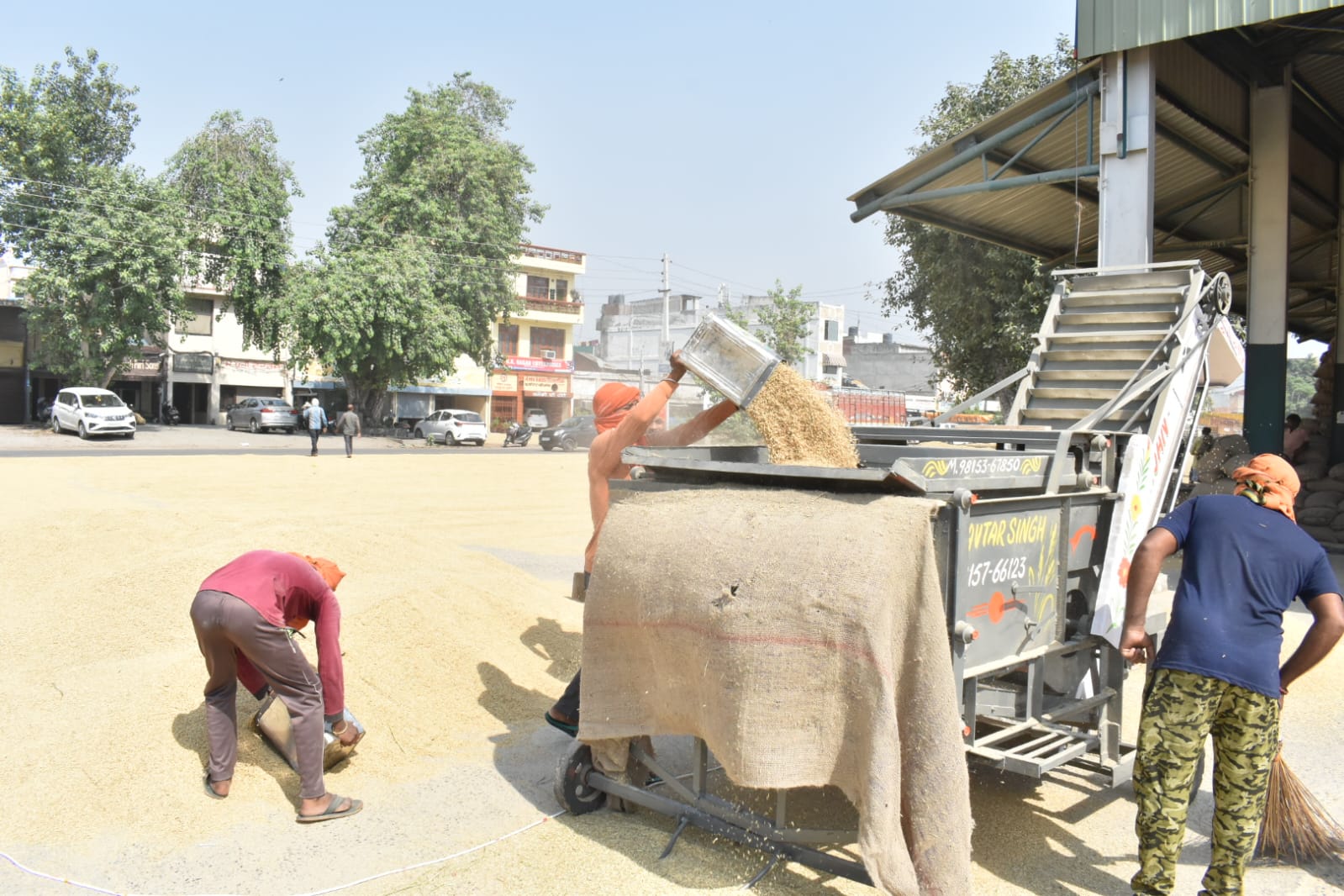
Questions had earlier surfaced when procurement arrivals in Punjab mandis matched last year’s levels despite widespread flood damage and a reported decline in paddy yield. At that time, the Punjab government had ordered inquiries in some border districts and registered police cases related to paddy allegedly brought in from other states.
Allegations in the complaint
The complaint sent to the Centre alleges that commission agents issued fake ‘J forms’ in farmers’ names, received payments into their accounts, and then shared the money among farmers, arhtiyas, rice millers and procurement agency officials. It further claims that paddy was later sourced from other states at prices below ₹600 per quintal, while being shown as procured in Punjab at the Minimum Support Price (MSP). Details of the alleged network and modus operandi were also shared with the Centre.
A senior official of the department said that similar complaints had also been sent by rice millers to Prime Minister Narendra Modi and to seven different Union ministries and investigation agencies. The official maintained that the complaints were baseless, asserting that strict checks make large-scale bogus procurement unlikely in the state. Verification of procurement data is underway, and a detailed report will be submitted to the Centre soon.