










































Chandigarh: A political confrontation has erupted between Punjab and Himachal Pradesh after the latter imposed a ‘land revenue cess’ on hydropower projects. The Aam Aadmi Party (AAP) has targeted the Congress government in Himachal Pradesh and also questioned the stand of the Punjab Congress on the issue.
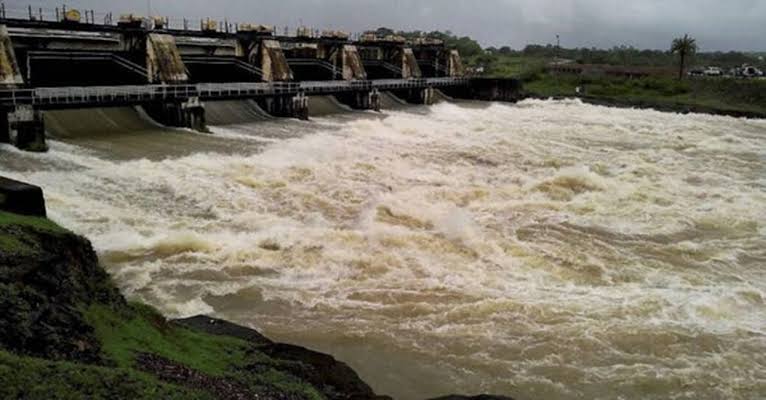
It may be recalled that the Himachal Pradesh government issued a gazette notification on December 12 last year, imposing the ‘land revenue cess’ on hydropower projects. As a result, the Bhakra Beas Management Board (BBMB) will have to pay around ₹433 crore annually as cess.
Out of this amount, Punjab alone is expected to bear a financial burden of nearly ₹200 crore, while Haryana and Rajasthan will also be affected. Earlier, the Himachal Pradesh government had imposed a ‘water cess’, which would have put a financial burden of around ₹400 crore on Punjab. However, the Himachal Pradesh High Court had declared the water cess unconstitutional, and the Centre had also termed it illegal. Now, the Himachal government has imposed a new land revenue cess.
AAP spokesperson Neel Garg described the land revenue cess as a direct attack on Punjab’s finances and said the party would fight against it on every front. He said earlier the Congress government in Himachal had laid claim over Chandigarh and has now imposed the land revenue cess. Garg said the Punjab Congress should clarify its stand and make clear whether it stands with Punjab on the issue. He added that the Centre should also intervene in the matter and said the Himachal government would be written to, seeking withdrawal of the cess.
On the other hand, Himachal Pradesh Revenue Minister Jagat Singh Negi said the state government has the right to levy land revenue on land within its territory and termed Punjab’s opposition baseless. He said Himachal Pradesh has already been facing injustice.
Meanwhile, Himachal Pradesh Chief Minister’s media adviser Naresh Chauhan said the land revenue cess would also apply to private and central hydropower projects and the intention was not to put a financial burden on any particular state.