







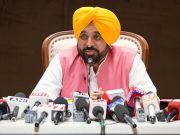




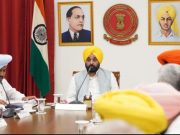






















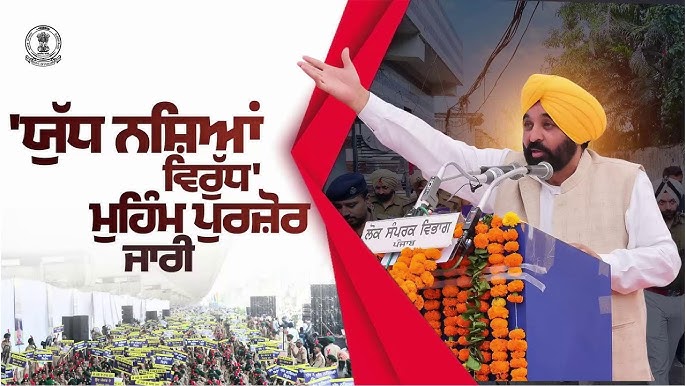
Punjab News: Punjab is beginning to witness a visible shift in its fight against drugs, as the Bhagwant Mann Government’s ‘Yudh Nashean Virudh’ (anti-drug campaign) moves beyond enforcement to focus on rehabilitation and reintegration. Across districts, individuals once trapped in addiction are returning to stable lives, with employment emerging as the most decisive factor in sustaining recovery.
Abhishek Kumar (name changed) is among those who have experienced this transition firsthand. A few years ago, addiction had disrupted his life to the point where even daily routines became difficult, and his family feared losing him. Today, he holds a steady job and has rebuilt his relationship with his family. “Having a job again changed everything. It gave me a reason to stay on the right path,” he said.
His recovery was not accidental. With sustained encouragement from his family, structured medical treatment, counselling, and post-rehabilitation employment support facilitated through initiatives aligned with Yudh Nashean Virudh, Abhishek was able to regain both stability and confidence.
For Navdeep Kumar (name changed), the turning point came from within his home. Persistent conflict and emotional distance made him confront the damage addiction had caused. “My mother guided me back onto the right path,” he said.
After completing treatment, Navdeep secured employment support and is now working in the private sector. He describes returning to work as the moment that restored discipline in his life and helped rebuild his sense of purpose.
Gurjinder Singh’s (name changed) journey reflects another dimension of recovery. Addiction had eroded not only his health but also his financial stability and credibility within his family. With consistent support from rehabilitation services and his parents, he gradually moved toward recovery. Today, he is employed again, with improved health and restored family relationships.
These individual journeys reflect a broader approach adopted by the AAP Government, where the fight against drugs is not limited to action against traffickers but extends to ensuring that those affected are brought back into the social and economic mainstream.
Officials associated with the campaign indicate that rehabilitation, counselling, and structured support systems are being increasingly integrated with livelihood opportunities, recognising that recovery without economic stability often remains incomplete.
Across cases, a clear pattern is emerging: employment is not merely a post-recovery step, but the foundation that sustains a drug-free life. A stable job restores financial independence, rebuilds dignity, and enables individuals to reconnect with their families and communities. “Never experiment with drugs. It may seem harmless, but it can destroy everything,” Abhishek said.
As Yudh Nashean Virudh continues to expand, these stories point to a deeper structural shift, where recovery is no longer seen as an endpoint, but as the beginning of reintegration into a stable and dignified life.