



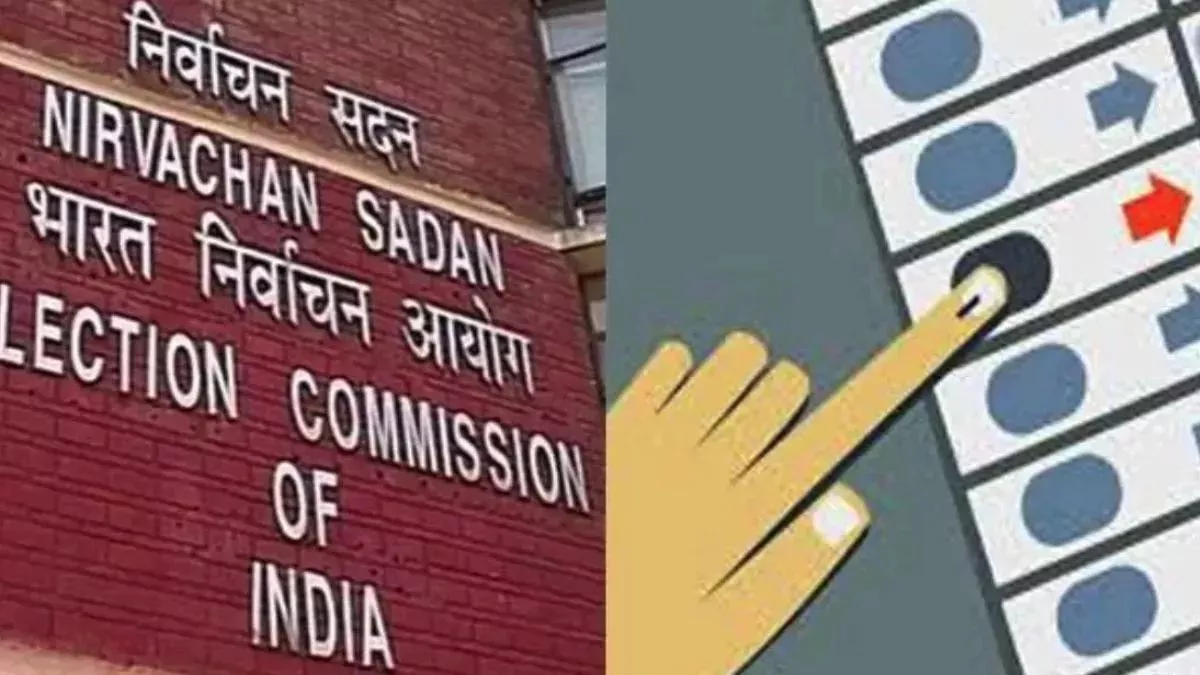
New Delhi: The Election Commission of India (ECI) has refused to disclose details of the software used to identify discrepancies in electoral rolls during the Special Intensive Revision (SIR), citing trade secrets and intellectual property protections under the Right to Information (RTI) Act.
In its response to an RTI application, the commission invoked Section 8(1)(d) of the Act to withhold the software’s name and version. It also said no new software had been developed or purchased specifically for the SIR exercise.
The ECI did not clarify whether artificial intelligence (AI), machine learning or predictive analytics had been used to examine voter records. It also did not directly answer whether the software could automatically identify discrepancies, stating that the question sought an explanation rather than existing information under Section 2(f) of the RTI Act.
On whether the software could independently delete voters’ names, the commission said decisions to include or remove names are taken by the Electoral Registration Officer (ERO) concerned, based on facts and records. It did not provide further details about the software’s role in the process.
The commission also referred to Section 8(1)(g) of the RTI Act in response to questions about the review and approval of flagged records. It cited Section 13B(1) and 13B(2) of the Representation of the People Act, 1950, which assign responsibility for preparing and revising electoral rolls to the relevant ERO.
Congress questions transparency
The Congress has accused the commission of withholding information about its ECINET software. Party leader Jairam Ramesh questioned why the ECI had not itself publicly disclosed that Tata Consultancy Services (TCS) developed the software.
Ramesh also raised questions about the use of AI during the SIR and electoral roll revisions, including the safeguards in place to prevent errors and ensure transparency.