



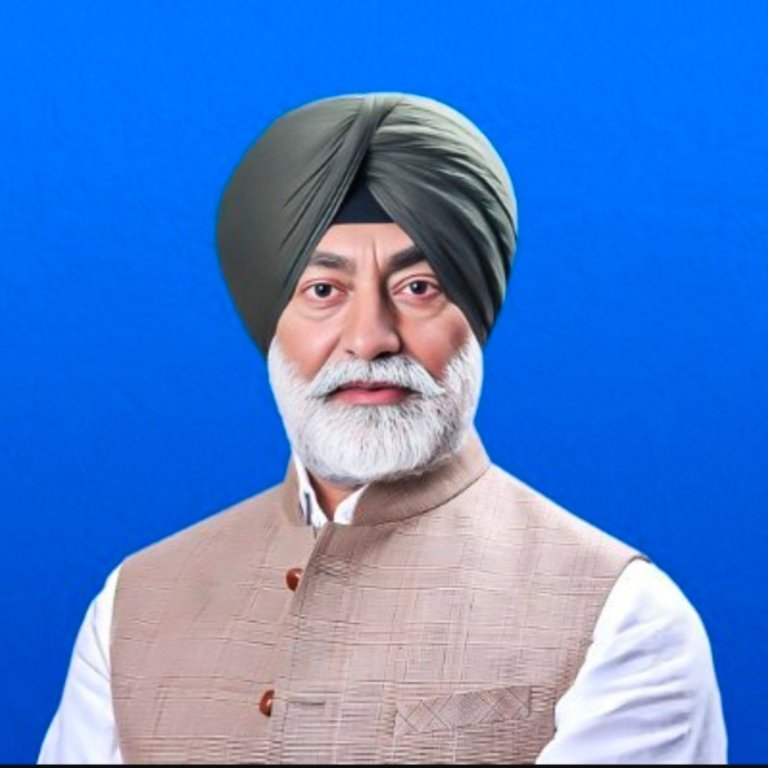
Chandigarh: Senior Congress MLA from Bholath Sukhpal Singh Khaira has urged the Punjab government and Vidhan Sabha Speaker to extend the ongoing Assembly session by at least a few more days to allow adequate scrutiny and debate on six new Bills listed for consideration.
Khaira said the legislative business scheduled for the closing stages of the session includes Bills related to three Digital Universities, GST, outsourced personnel and contractual engagement, and common infrastructure.
Questioning the timing of the proposed legislation, Khaira said it would be difficult for MLAs to properly examine and debate six Bills with potentially far-reaching implications on the last working day of the session.
“How can six new laws, having far-reaching implications for Punjab, be properly scrutinised, debated and passed on the last working day of the session? This is not meaningful parliamentary democracy,” Khaira said.
He said legislators should be given sufficient time to study the Bills, consult stakeholders and propose amendments in the larger public interest.
‘Vidhan Sabha is not a rubber stamp’
Khaira questioned why such important legislation was being introduced at the fag end of the session, arguing that MLAs would have little opportunity to examine the provisions, assess their implications or seek clarifications from the concerned departments.
“The Vidhan Sabha is not a rubber stamp for the Cabinet. The purpose of the legislature is to scrutinise legislation clause-by-clause, debate its merits and demerits and protect the interests of the people of Punjab,” he said.
He added that rushing the six Bills through the House simply because the following day is the last working day would reduce the legislative process to a formality.
Khaira said laws enacted by the Assembly are not temporary political announcements and can have long-term implications for Punjab’s institutions, economy, employees, students, businesses and citizens.
He particularly questioned the urgency behind introducing three separate Digital University Bills along with other major legislative proposals at the end of the session, and asked the government to explain why these matters could not have been brought before the House earlier to allow sufficient discussion.