














































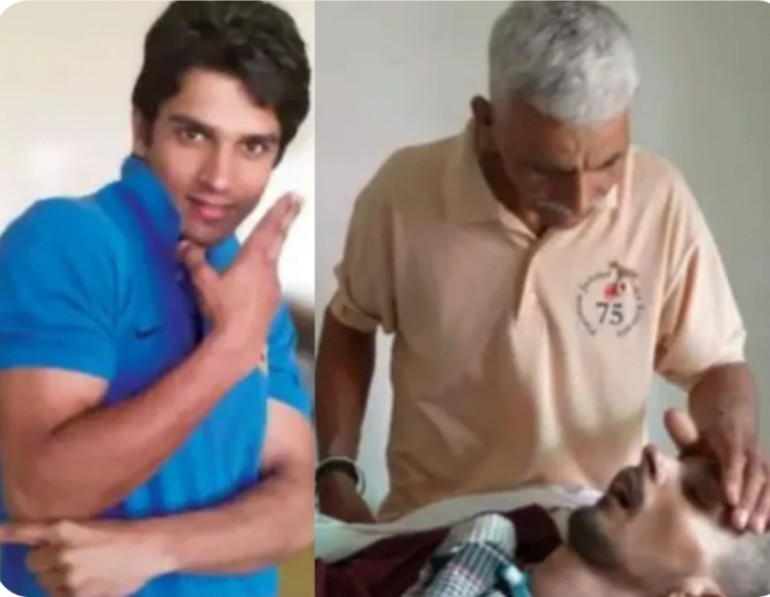
New Delhi: After the Supreme Court of India allowed passive euthanasia in the case of Harish Rana, doctors at the All India Institute of Medical Sciences are preparing to follow a medically supervised palliative care process to ensure a dignified end-of-life procedure.
According to medical experts, Rana will first be shifted to the palliative care unit of AIIMS. Palliative care focuses on providing comfort and dignity to patients suffering from severe or irreversible medical conditions rather than attempting aggressive treatment to prolong life.
Doctors in such units aim to reduce suffering and provide supportive care. Patients continue to receive basic medical attention such as pain management, nursing and hygiene care, medicines for comfort and emotional support for both the patient and family members.
Dr Sushma Bhatnagar, former head of the pain and palliative care department at AIIMS, explained that in such cases doctors allow the patient to die naturally. Medical teams neither artificially prolong life nor deliberately hasten death.
The court has permitted passive euthanasia, which is different from active euthanasia. Passive euthanasia involves withdrawing life-sustaining treatments when a patient has no realistic chance of recovery.
In such cases, medical support systems that artificially keep the patient alive may be withdrawn, including ventilators, feeding tubes, dialysis support or other life-support equipment. Once these systems are removed, the patient eventually dies due to the underlying medical condition rather than through any direct medical action.
The case reached the Supreme Court after Rana’s elderly parents filed a petition seeking permission for a dignified end-of-life decision for their son. They told the court that they had spent more than a decade hoping he would recover, but with their age and deteriorating health they could no longer continue the prolonged medical struggle.
The court examined medical reports and legal guidelines related to passive euthanasia before granting permission, ensuring that the process would be carried out strictly under established medical and legal protocols.
Doctors emphasise that the procedure will be conducted carefully and ethically, with the primary goal of maintaining the patient’s dignity and comfort during the final stage of life.