













































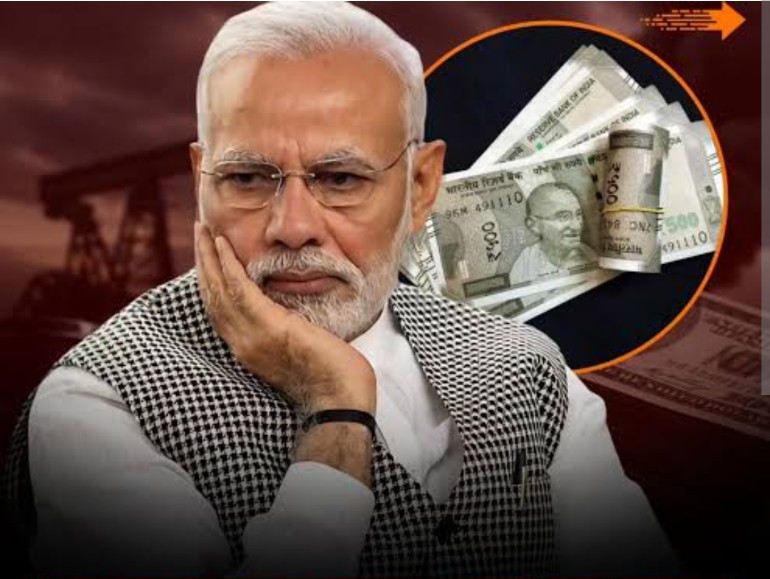
New Delhi: The Indian rupee has emerged as one of Asia’s weakest-performing currencies against the US dollar in recent months, declining by more than six per cent over the past five months. During the same period, several regional currencies have shown greater resilience, with Pakistan’s rupee posting marginal gains and China’s yuan strengthening against the dollar.
Currency values are largely determined in the global foreign exchange (forex) market, where banks, financial institutions, exporters and importers trade currencies. The value of a currency depends on supply and demand, and the US dollar continues to dominate global trade and financial transactions.
Economists point out that the dollar remains the world’s preferred reserve currency, accounting for the majority of global foreign exchange reserves and international trade settlements. As a result, any increase in global demand for dollars tends to put pressure on emerging-market currencies, including the rupee.
One of the major reasons behind the rupee’s weakness has been the sharp rise in crude oil prices. India imports more than 85 per cent of its oil requirements, and these purchases are largely settled in US dollars. Higher crude prices increase the country’s import bill and create additional demand for dollars in the domestic market.
Analysts estimate that every significant increase in crude oil prices adds billions of dollars to India’s import expenditure, intensifying pressure on the local currency.
Another key factor has been sustained foreign capital outflows. Foreign portfolio investors have withdrawn large sums from Indian equity markets over the past year, converting their investments into dollars before moving funds elsewhere. This process increases demand for the US currency and contributes to the rupee’s decline.
Market experts also note that some global investors have shifted capital to other markets after booking profits in Indian equities. Concerns over relatively high valuations in segments of the Indian stock market have also influenced investment decisions.
Despite the recent depreciation, economists believe the rupee’s future trajectory will depend on crude oil prices, global interest rate trends, foreign investment flows and the Reserve Bank of India’s interventions in the currency market.
Financial markets will continue to closely monitor these factors as policymakers seek to balance currency stability with broader economic growth objectives.