





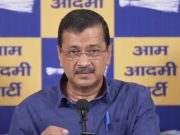











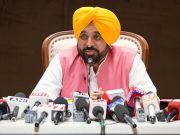



























New Delhi: The Aam Aadmi Party led by Arvind Kejriwal faced a major political blow after Rajya Sabha Chairman C P Radhakrishnan officially approved the merger of seven of its MPs with the Bharatiya Janata Party.
Numbers shift in Rajya Sabha
Following the decision, AAP’s strength in the Rajya Sabha has dropped sharply from 10 to just 3 members, while BJP’s tally has increased from 106 to 113. The ruling National Democratic Alliance (NDA) has also strengthened its position, with its numbers rising to 148—bringing it closer to the majority mark of 123 in the Upper House.
Two-thirds rule invoked
Sources indicate that the Chairman’s decision was based on provisions of the Tenth Schedule (anti-defection law), which allows a merger if at least two-thirds of a party’s legislators move together.
The seven MPs include Raghav Chadha, Sandeep Pathak, Swati Maliwal, Harbhajan Singh, Vikramjit Singh Sahney, Ashok Mittal and Rajendra Gupta.
Since they constituted more than two-thirds of AAP’s Rajya Sabha unit, they have avoided disqualification.
AAP objects, cites legal concerns
AAP has strongly opposed the move, arguing that a merger of legislators is valid only if the parent political party itself merges. The party cited legal experts like Kapil Sibal to back its position.
Political ripple effect
Experts are drawing parallels with past cases such as the splits in Shiv Sena and Nationalist Congress Party in Maharashtra, where factions with two-thirds support were recognised as legitimate.
The development has sparked fresh political debate, particularly in Punjab and Delhi, over the interpretation of anti-defection laws and its long-term impact on party politics.