







































Family’s Role Is Critical in Preventing Relapse; Their Support Continues Long After Treatment Ends: Sumedha, Family Counsellor at Rupnagar De-Addiction Centre
Punjab E News (June 21): Family counselling has emerged as a key component of recovery at de-addiction and rehabilitation centres across 14 districts of Punjab since the Bhagwant Mann Govt launched ‘Yudh Nashean Virudh’. Counsellors at these centres say there is increased participation of parents, spouses and children during the recovery phase of people undergoing treatment.
Since March 2025, when the CM Bhagwant Singh Mann-led Yudh Nashean Virudh campaign began, thousands of families have come for counselling sessions to help their children reclaim their lives after having lost years to drug abuse.
Since addiction affects the entire family, involving them in counselling is essential. Counselling sessions help family members understand addiction better and they are the ones who encourage patients to go drug-free.
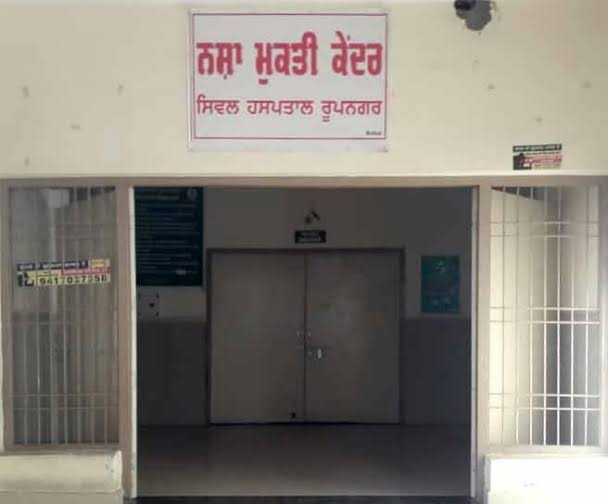
At the Punjab government-run de-addiction centre in Rupnagar, an under-recovery patient said his life has undergone a remarkable transformation ever since he came here for treatment. The involvement of his family in the recovery process has also brought about positive results.
“I had been drinking for years. My health had deteriorated badly. But coming here has been a blessing for me, and I have improved a lot. My family has played a major role. My only message is to treat people like me with care and compassion. And, seek medical advice,” he said.
His family member, not willing to be named, said counselling has helped them understand how to deal with addiction. He adds, “Earlier, he used to get hyper and indulge in wasteful expenditure. He used to come home drunk. We would take off his shoes and put him to bed. After the medical intervention, he has undergone a significant improvement. Now he gets up early in the morning, exercises, takes a bath and eats breakfast. He still gets hyper sometimes, but is better than before,” the relative said.
Sumedha, a family counsellor at the Punjab government de-addiction centre in Rupnagar, said the role of family members is very important once a patient comes home. “Family’s role is critical in preventing relapse. When patients return home, they are not accompanied by doctors or counsellors. Their family members become their counsellors,” she said, adding, “They have to be attentive to notice any change in the patient.”
At the de-addiction centre in Jalandhar, Rani, whose son is undergoing treatment for chitta addiction, recounted the difficulties her family endured before seeking professional help. “He would ask me to go to relatives’ or neighbours’ homes and then his friends and he would shut the doors. That’s when I smelled a rat. Later, I found he used to steal money, ask my daughter and my son-in-law for money and they would oblige. But ever since we came here, I have found a noticeable change in him.”
Counsellors say that, besides helping patients, counselling also helps families overcome the stigma associated with addiction. Harsha, a counsellor at the government de-addiction centre in Jalandhar, said, “Many families initially focus more on social perceptions than treatment. They are more bothered about stigma than treatment. Families don’t know what addiction is. They don’t think of it as a disease. Counselling goes a long way in treatment.”
Dr Rakesh Sharma, a counsellor at the Drug de-addiction centre at Kapurthala, says, “We tell families not to have unrealistic expectations. It is not a one-stop solution. There can be relapse and that is part of recovery. At the same time, the families have to set boundaries but gently and not show aggression.”
Increasingly, families are no longer hiding the problem but actively seeking help and becoming partners in the recovery process.
The counsellors who are part of the rehabilitation programmes say active participation of families has increased ever since the launch of the Yudh Nashean Virudh initiative. More family members – spouses, parents, etc are present at the counselling sessions and learning about the problem of addiction, and finding ways to support their loved ones without blaming them.
While rehabilitation and medical treatment are essential, recovery is strengthened by a supportive and stable home environment. Family support significantly improves a person’s chances of remaining drug-free and rebuilding a healthy, productive life.