








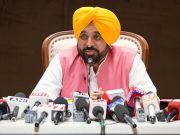












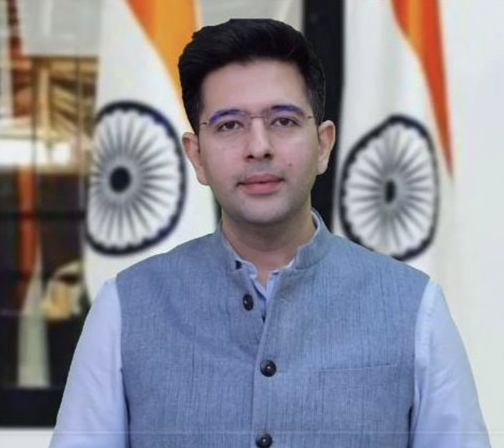
New Delhi: The Delhi High Court on Wednesday refused to grant BJP Rajya Sabha MP Raghav Chadha a blanket interim order seeking the removal of allegedly defamatory online content and protection of his personality rights. However, the court directed the removal of five specific social media posts identified by Chadha.
Justice Subramonium Prasad observed that the remaining content did not appear to be defamatory. “I have directed the removal of five documents. The remaining content is not defamatory,” the court said.
The order came in a suit filed by Chadha after he joined the Bharatiya Janata Party (BJP) from the Aam Aadmi Party (AAP) earlier this year. In his plea, he sought action against AI-generated deepfakes, manipulated videos, synthetic voice cloning, morphed images, fabricated speeches and other allegedly misleading digital content circulating on social media.
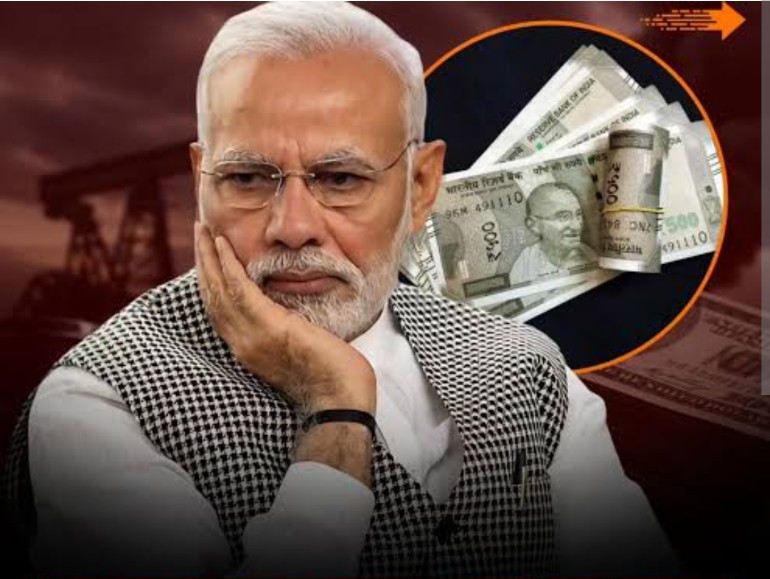
Chadha argued that several posts, including morphed images showing him wearing a saree and another depicting Prime Minister Narendra Modi showering him with money, were defamatory and falsely suggested that he had accepted money to join the BJP.
During the hearing on May 21, the High Court had observed that the disputed content did not prima facie amount to a violation of personality rights but largely constituted political criticism. Justice Prasad noted that criticism of political decisions has long been part of democratic discourse and cited the political cartoons of R.K. Laxman as an example.
The court further observed that while social media has amplified the reach of such criticism, it does not automatically amount to infringement of personality rights. It also distinguished between a claim of defamation and a suit seeking protection of personality rights, indicating that Chadha’s grievances appeared to fall more within the ambit of defamation.
Questioning the extent to which political leaders should tolerate public criticism, Justice Prasad remarked during the hearing, “As a political leader, can you be so sensitive?” He added that the disputed content appeared to be commentary on a political decision.
The High Court had also indicated that it could consider appointing an amicus curiae since the creators of the disputed online content had not been identified. However, Chadha’s counsel requested that the court first decide the application for interim relief.
After hearing detailed arguments, the court ordered the removal of five specific posts while declining to issue any wider interim direction against the remaining online content.