

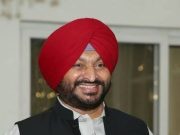












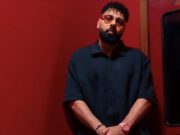
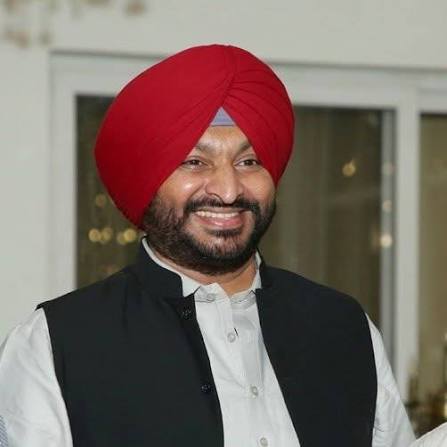
Chandigarh: Union Minister of State Ravneet Singh Bittu on Wednesday launched a sharp attack on Punjabi singer-actor Diljit Dosanjh, accusing him of being an opportunist and claiming that the controversy surrounding the film ‘Satluj’ was aimed at generating publicity and profits.
Speaking during a private visit to Ludhiana, Bittu alleged that the film, based on the life of human rights activist Jaswant Singh Khalra, was not made to serve the Sikh community or Punjab but was a commercial venture designed to earn crores of rupees.
Targeting Diljit, Bittu said the actor changes his stand according to circumstances and financial interests. He also referred to Diljit’s film ‘Amar Singh Chamkila’, the 1984 anti-Sikh riots and veteran actor Amitabh Bachchan while criticising him.
Bittu further claimed that Diljit had previously opposed pro-Khalistan supporters at overseas events, questioning what he described as the actor’s “double standards”. He also alleged that Diljit was now speaking about Sikh issues despite having remained silent during Jaswant Singh Khalra’s lifetime.
Rejecting allegations that the Centre was behind the removal of Satluj from the OTT platform, Bittu said there was no government pressure on the streaming service. He alleged that the makers had withdrawn the film after achieving their subscription targets and later portrayed it as censorship to gain publicity.
“OTT platforms are free to upload content. The government does not control when a film is released or removed. This is merely a publicity stunt,” Bittu said.
Clarifying his stand on Jaswant Singh Khalra, Bittu said that while Beant Singh was Chief Minister, no case was registered against Khalra and he was never summoned by the police. He said Khalra was allegedly picked up only after Beant Singh’s assassination, adding that people should not wrongly blame the former Chief Minister.
Bittu also criticised sections of the Punjab BJP leadership, saying the party should not adopt a defensive approach over the issue. He maintained that the BJP had neither formed the government in Punjab nor ruled at the Centre during much of the militancy period and therefore had no role in the events being discussed.