
















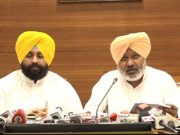










Mohali: Marking World Environment Day, the Punjab Pollution Control Board (PPCB) and dairy cooperative brand Verka have launched a special eco-friendly campaign titled “Milk, not plastic” aimed at reducing plastic waste generated through milk packaging.
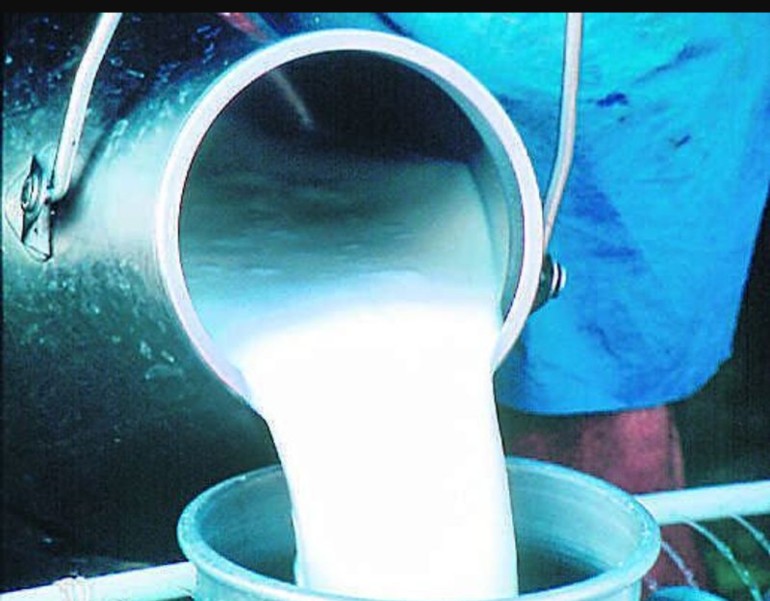
Under the initiative, consumers purchasing fresh milk directly from mobile vending vans instead of plastic pouches will receive a discount of ₹2 per litre. Milk that is currently sold in plastic packets at ₹66 per litre will be available through the vending vans at ₹64 per litre.
The campaign has been jointly launched by the PPCB’s Mohali regional office and Verka Milk Plant, Mohali, to curb the use of single-use plastic packaging. The first mobile milk vending van has been deployed at ATS Casa Espana, a residential society in Mohali.
Officials said the vending unit has a storage capacity of around 300 litres of milk and will operate daily within the society. If residents fully utilise the facility, nearly 600 plastic milk pouches could be eliminated every day.
According to estimates, a household purchasing two litres of milk daily through the vending system could prevent around four kilograms of plastic waste annually. Since milk is a daily household necessity, officials believe even small behavioural changes can generate significant environmental benefits over time.
The initiative also aims to revive the practice of carrying reusable steel containers, bottles or other vessels while purchasing milk, thereby reducing dependence on disposable packaging.
PPCB officials said the pilot project would be expanded to other residential societies in Mohali and later to towns and cities across Punjab if the response remains positive. Additional mobile vending vans may be introduced, while permanent milk dispensing units could also be installed at existing Verka booths.
Authorities have invited resident welfare associations and housing societies interested in adopting the model to approach the Punjab Pollution Control Board for participation in the project.
Officials described the campaign as a practical step towards promoting sustainable consumption habits and reducing plastic pollution across urban communities.