




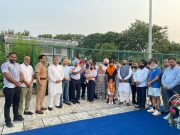









































State Wildlife Board Standing Committee Recommends Proposals to National Board for Wildlife for Final Approval
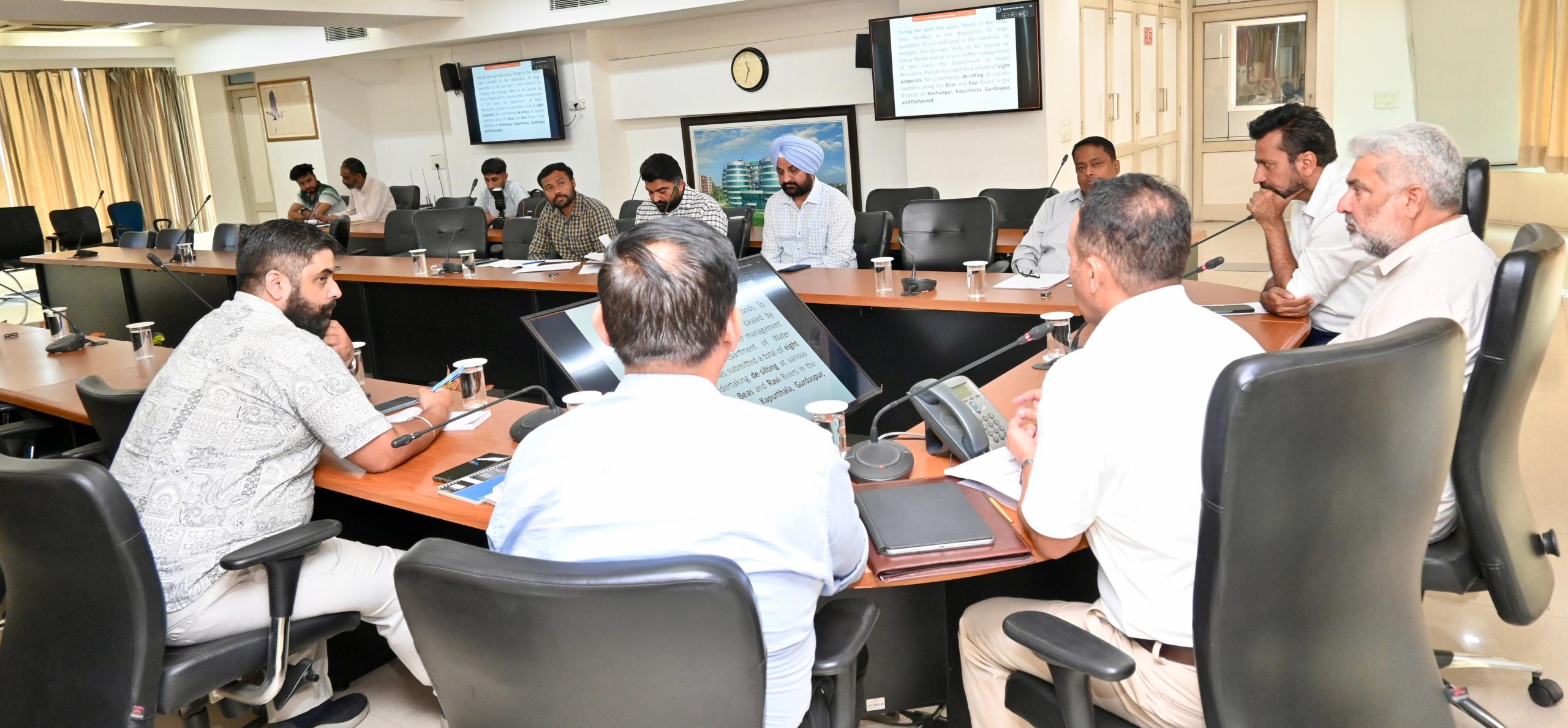
Chandigarh News (July 7): The 5th meeting of the Standing Committee of the State Wildlife Board, Punjab was held at Van Bhawan, SAS Nagar under the chairmanship of Sh. Lal Chand Kataruchak, Forest and Wildlife Preservation Minister, Punjab.
The meeting was attended by Administrative Secretary (Forests) Sh. Kamal Kishore Yadav, Principal Chief Conservator of Forests (Head of Forest Force) Sh. Dharminder Sharma, Chief Wildlife Warden Sh. Satinder Sagar, along with senior officers of the Forest and Water Resources Departments and representatives of WWF-India.
During the meeting, 8 proposals submitted by the Water Resources Department, Punjab for carrying out de-silting at various locations in the Beas and Ravi rivers were deliberated upon. The objective is to mitigate flood-related damage in the coming years, caused due to silt and sand accumulation in the rivers during floods in the previous years, and to ensure better river management.
After detailed discussions, keeping in view the better upkeep of rivers in the state, public interest, and the protection and improved management of wildlife, the Committee recommended forwarding the proposals for de-silting at 7 sites to the Standing Committee of the National Board for Wildlife for approval.
The proposed sites include 2 sites in District Hoshiarpur, 3 sites in District Kapurthala and 1 site in District Gurdaspur on the Beas river, and 1 site adjacent to the Kathlour-Kushliya Wildlife Sanctuary on the Ravi river.
It is pertinent to mention that the Forest Department had earlier received a proposal from the Water Resources Department for de-silting at nearly 30 different sites on the Beas river. Since the Beas river is not only a Conservation Reserve but also a Ramsar Site, and is home to dolphins, gharials and other key species, a study was got conducted by IIT Ropar to determine how flood control measures could be undertaken without harming wildlife.
Following receipt of the IIT Ropar report, an Expert Committee visited all 30 sites. After inspecting each site, the Committee recommended de-silting at only 6 sites on the Beas river. This is because excessive silt deposition at these 6 locations has not only altered the river’s flow but has also adversely impacted wildlife habitats.
As per the Committee’s assessment, de-silting at these 6 sites will help in flood control measures in the future and the increase in water depth will also benefit wildlife.