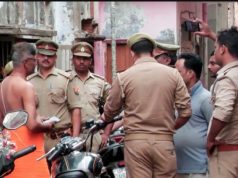














































Chandigarh: The Central Bureau of Investigation (CBI) on Monday night carried out a major operation at the Mohali office of the Punjab Vigilance Bureau while probing corruption allegations linked to suspended DIG Harcharan Singh Bhullar.
During the raid, the investigating team reportedly detained the reader of a senior vigilance official.
Sources said the action was initiated following fresh findings that emerged during an ongoing bribery investigation.
No official confirmation yet
Neither the CBI nor the Punjab Vigilance Bureau has officially confirmed the development so far, but the operation has triggered significant political discussion in Punjab.
Senior Shiromani Akali Dal leader and former minister Bikram Singh Majithia claimed on social media platform X that the central agency recovered Rs 13 lakh from a vigilance employee in connection with an alleged Rs 20 lakh bribery case.
Attempts to seek comments from Punjab Police and Vigilance Bureau officials reportedly received no response.
DIG Bhullar arrested by CBI in 2025
IPS officer Harcharan Singh Bhullar, a 2009-batch officer, was arrested by the CBI in October 2025 on bribery allegations.
According to investigators, Bhullar allegedly demanded Rs 8 lakh through his aide Krishnu Sharda from a scrap dealer.
The amount was allegedly sought in exchange for settling an FIR registered at Sirhind police station and for allowing the businessman to continue operations without interference.
Court had cited electronic evidence
In March 2026, a special CBI court took cognisance of the case and observed that electronic evidence and a “controlled call” recorded between Bhullar and Sharda prima facie supported allegations of criminal conspiracy.
Apart from the bribery case, the CBI and Punjab Vigilance Bureau are also separately investigating Bhullar and others in a disproportionate assets case.