
























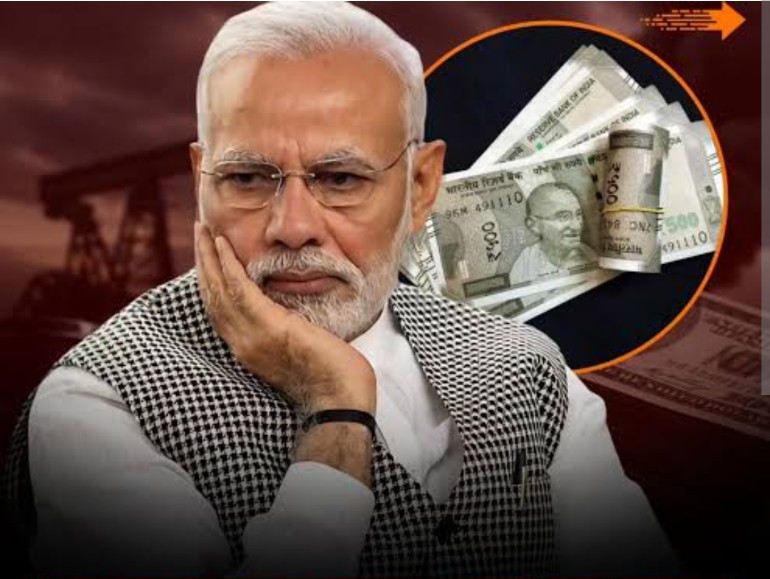
























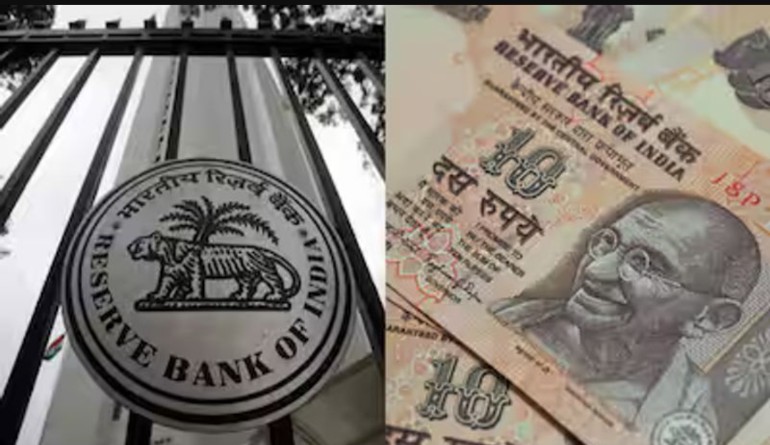
New Delhi: The Reserve Bank of India (RBI) is once again considering the introduction of polymer banknotes, citing their superior durability and lower long-term costs compared to conventional cotton-based paper currency.
The renewed focus on polymer notes comes as the cost of printing currency continues to rise. Unlike traditional paper notes, polymer banknotes are more resistant to wear and tear, have a longer lifespan and can remain in circulation for a significantly longer period.
Sources indicate that the central bank may soon announce a pilot project to test the feasibility of polymer currency. The proposed notes are also expected to be fully compatible with ATM machines and existing cash-handling infrastructure.
According to the RBI’s Annual Report for 2024-25, the cost of printing banknotes increased from ₹5,101.4 crore to ₹6,372.8 crore during the financial year. The rise has been attributed largely to growing demand for fresh currency notes in the market.
Officials believe that although polymer notes may involve higher initial production costs, their longer lifespan could substantially reduce replacement and printing expenses over time, making them a more economical option in the long run.