











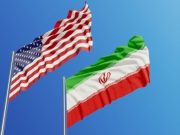

































Washington: The reported 14-point agreement between the United States and Iran on June 18, 2026, has once again brought global attention to one of the most sensitive security issues in the world — Iran’s nuclear programme. A central provision of the deal reportedly commits Iran to neither acquire, develop nor manufacture nuclear weapons.
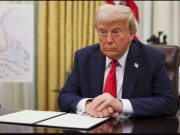
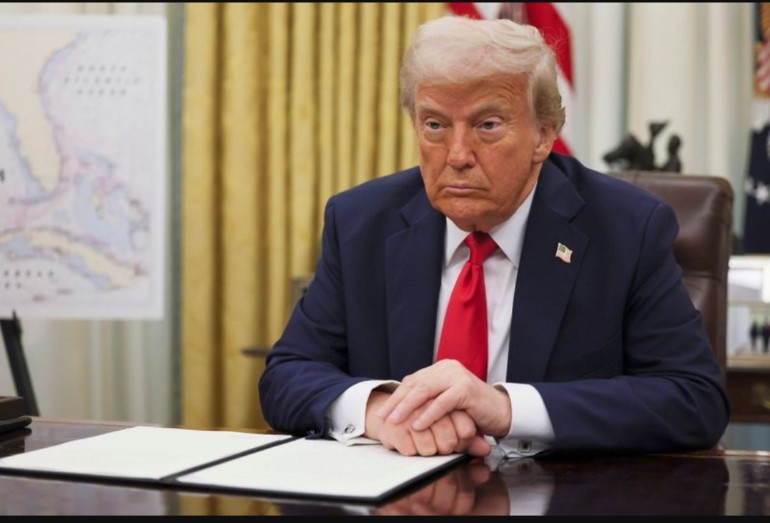
US President Donald Trump has described the provision as the agreement’s most significant achievement, arguing that preventing Iran from obtaining a nuclear bomb remains a top American national security priority.
Preventing a new nuclear-armed rival
For decades, US administrations have maintained that a nuclear-armed Iran could dramatically alter the balance of power in the Middle East. American officials fear that such a development could trigger a regional arms race, encouraging other countries to pursue nuclear weapons programmes of their own.
Concerns over uranium enrichment
Before the latest agreement, international monitoring reports indicated that Iran possessed a substantial stockpile of highly enriched uranium. While uranium enriched to 60% is not considered weapons-grade, experts note that the technical gap between 60% and the roughly 90% enrichment required for a nuclear weapon is significantly smaller than the gap from lower enrichment levels.
Washington has long sought limits on Iran’s enrichment activities and greater international oversight of its nuclear facilities.
Regional security and proxy groups
US policymakers have also argued that a nuclear-capable Iran could strengthen its influence across the Middle East through allied armed groups and regional partners. American and allied governments contend that preventing nuclear weapons development reduces the risk of wider regional instability.
Maintaining global non-proliferation efforts
The United States has consistently supported international efforts to prevent the spread of nuclear weapons. Allowing Iran to become a nuclear weapons state, according to US officials, could weaken the global non-proliferation framework and encourage other nations to seek similar capabilities.
Could Iran become more powerful than the US?
While Iran is a significant regional power with considerable military and geopolitical influence, experts generally do not view it as being in a position to surpass the United States as the world’s most powerful country. The US continues to maintain a much larger economy, greater military capabilities, broader global alliances and a larger international presence.
However, American policymakers believe that an Iranian nuclear weapons capability could substantially increase Tehran’s regional leverage and complicate US strategic interests in the Middle East.
The reported agreement is therefore being viewed by Washington as an effort to limit nuclear risks, reduce tensions and prevent further escalation in an already volatile region.