















































New Delhi: India has sufficient crude oil stocks to meet at least 10–15 days of requirements and an additional 7–10 days of fuel supplies, officials said, indicating there is no immediate risk to energy security despite tensions around the Strait of Hormuz.
The clarification comes amid escalating conflict in West Asia following US-Israel military strikes on Iran and the reported death of Iran’s Supreme Leader. Iran has announced the closure of the Strait of Hormuz, a key global energy corridor through which nearly 20% of the world’s oil and gas supplies transit.
India’s exposure to Hormuz
India imports nearly 50% of its crude oil — primarily from Iraq, Saudi Arabia and the UAE — via the Strait of Hormuz. Almost all of its LPG (cooking gas) imports also pass through the same route.
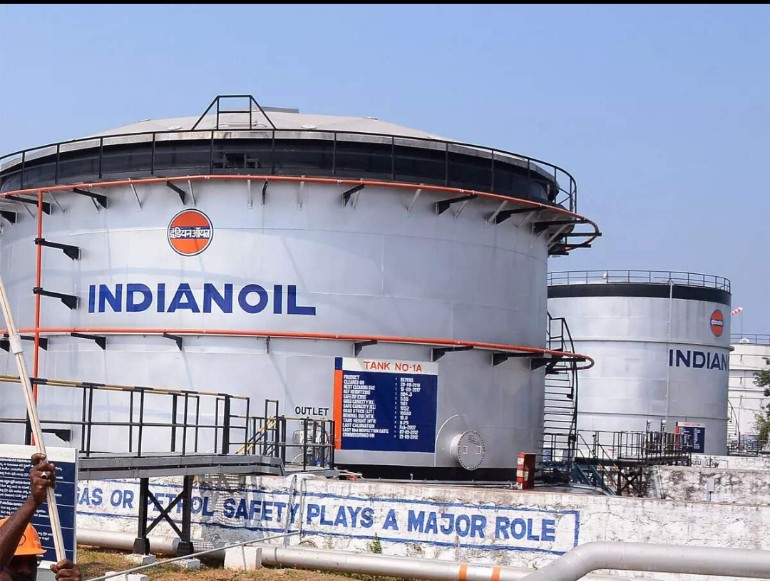
A senior official said Indian refineries currently have 10–15 days of crude stock, including supplies in transit. Fuel storage tanks across the country are also adequately filled to meet 7–10 days of consumption.
Contingency plans in place
Officials and analysts expect the conflict may not be prolonged, but contingency plans are ready if tensions escalate further. If the Strait remains closed for an extended period, India could increase crude purchases from Russia.
However, shipments from the Middle East typically reach India within five days, whereas Russian supplies can take nearly a month to arrive.
Price pressures loom
Brent crude prices have already climbed to around $73 per barrel and could rise to $80 in the coming week if tensions persist.
While immediate supply disruptions appear unlikely, officials acknowledged that the bigger challenge for India may be rising global oil prices and inflationary pressures rather than physical shortages.
On the natural gas front, concerns remain. Unlike crude oil, most LNG supplies are tied to long-term contracts, making alternative sourcing more complex if shipping routes remain disrupted for a prolonged period.