





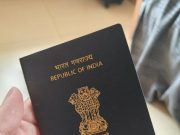




































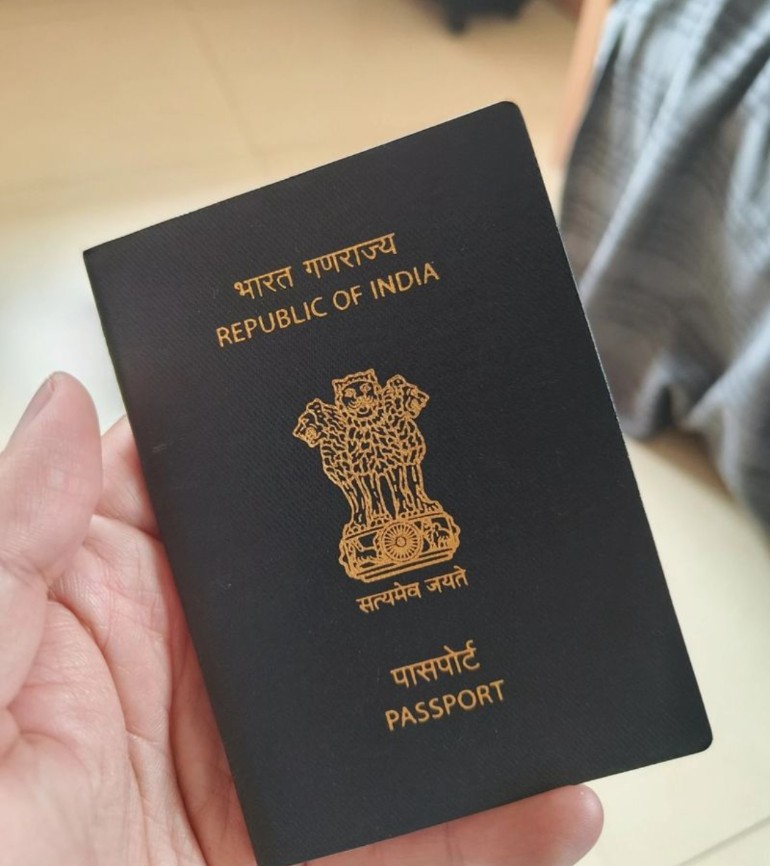
New Delhi: Amid an ongoing debate over whether a passport can be treated as proof of Indian citizenship, the Ministry of External Affairs (MEA) on Tuesday clarified that an Indian passport is a government-issued document meant to regulate the departure of Indian citizens from the country.
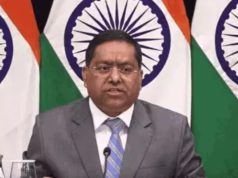
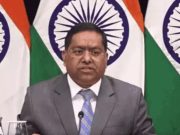
MEA spokesperson Randhir Jaiswal said passports are issued only after a well-established verification process, including police verification, under the provisions of the Passport Act, 1967 and the Passport Rules, 1980. He added that fewer than eight per cent of Indian citizens currently possess a passport.
The clarification comes weeks after senior MEA officials, speaking on Passport Seva Divas on June 24, described the passport as primarily a travel document rather than a document meant to establish citizenship. The remarks were made in response to questions on whether passports could be used as proof of citizenship during the Election Commission’s ongoing Special Intensive Revision (SIR) of electoral rolls in several states.
According to the ministry, passports are issued to facilitate international travel and are governed by a statutory process laid down under the Passport Act. Jaiswal reiterated that every passport is issued only after thorough scrutiny and verification by the competent authorities.
The earlier remarks had triggered criticism from the Congress and several Opposition parties, which questioned how a passport issued by the Government of India could not be considered evidence of citizenship. Opposition leaders alleged that the government’s position could create uncertainty over the citizenship rights of Indian passport holders.
Responding to the controversy, Jaiswal said the legal framework governing passports remains unchanged and that Indian passports continue to be issued through a prescribed verification process under the existing law.